The integration of SpaceX's Starlink satellite constellation with DISH Network's terrestrial infrastructure represents a significant technical achievement. This article breaks down how these two systems work together to provide seamless connectivity.
At the core of this integration is a sophisticated handoff mechanism. When a user's device connects to the network, the system automatically determines whether to route traffic through the terrestrial 5G network or the satellite connection based on factors like signal strength, network congestion, and the type of data being transmitted.
Starlink's low-earth orbit satellites circle the planet at altitudes between 340 and 1,200 kilometers, much closer than traditional geostationary satellites. This proximity reduces latency significantly, making the satellite connection suitable for applications that require real-time responsiveness, like video calls and online gaming.
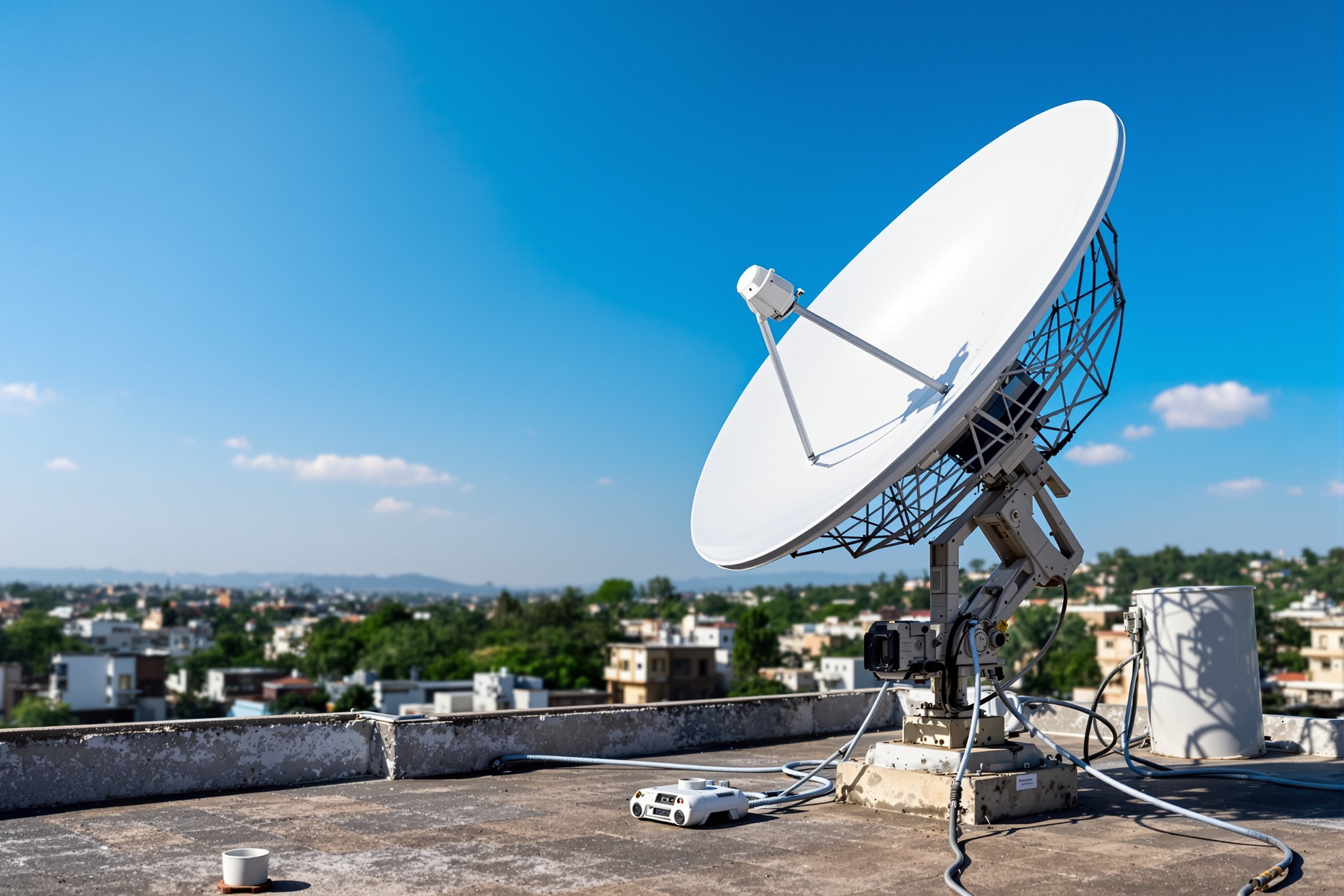
The ground equipment required for this hybrid system is more sophisticated than traditional satellite dishes. Modern installations include phased array antennas that can track multiple satellites simultaneously, ensuring continuous connectivity as satellites move across the sky. These antennas communicate with DISH's network equipment to coordinate the handoff between satellite and terrestrial connections.
From a user perspective, this complexity is invisible. Devices simply connect to the network, and the system handles all the routing decisions automatically. Whether you're streaming video, downloading files, or browsing the web, the experience is seamless regardless of which connection path your data takes.
The redundancy built into this system is another key advantage. If the terrestrial network experiences an outage, traffic can be rerouted through the satellite connection automatically. Similarly, if weather conditions temporarily affect satellite reception, the terrestrial network takes over. This redundancy ensures that customers maintain connectivity even when individual components of the system face challenges.
For installers and technicians, this integration requires new skills and knowledge. Southern Star has invested heavily in training programs to ensure our team can properly install, configure, and troubleshoot these advanced systems. This expertise ensures that customers get the full benefit of this cutting-edge technology.